Learning Chinese (Self-Immersive)

EnglishChinesePinyin
Tools
LingQ
– 5000 Words as of August 2nd (How much can I increase it in one month?)
– A few years later, I reached about 7000 words, but my communicative skills didn’t improve.
Bilibili
– Still watching too little; needs improvement.
– Task: Build a collection of Chinese videos.
工具 (Gōngjù)
LingQ
– 截至8月2日有5000个词汇(一个月内能增加多少?)
– 几年后,我达到了大约7000个词汇,但我的交流能力没有提高。
Bilibili
– 仍然看得太少,需要改进。
– 任务:建立中文视频收藏。
Gōngjù
LingQ
– Jiézhì 8 yuè 2 rì yǒu 5000 gè cíhuì (yīgè yuè nèi néng zēngjiā duōshǎo?)
– Jǐ nián hòu, wǒ dádàole dàyuē 7000 gè cíhuì, dàn wǒ de jiāoliú nénglì méiyǒu tígāo.
Bilibili
– Réngrán kàn dé tài shǎo, xūyào gǎijìn.
– Rènwù: Jiànlì zhōngwén shìpín shōucáng.
Learning Chinese (Self-Immersive)
– Experience: My current approach isn’t working due to inconsistency.
– Plan: Improve consistency and engagement.
– Goal: Make significant progress soon.
学习中文(自我沉浸) (Xuéxí Zhōngwén (Zìwǒ Chénjìn))
– 经验:由于不一致,我目前的方法不起作用。
– 计划:提高一致性和参与度。
– 目标:尽快取得显著进展。
Xuéxí Zhōngwén (Zìwǒ Chénjìn)
– Jīngyàn: Yóuyú bù yīzhì, wǒ mùqián de fāngfǎ bù qǐ zuòyòng.
– Jìhuà: Tígāo yīzhìxìng hé cānyù dù.
– Mùbiāo: Jǐnkuài qǔdé xiǎnzhù jìnzhǎn.

Here is the table for “Motivation 动机 (Dòngjī)”:

EnglishChinesePinyin
Motivation (Dòngjī)
– I severely lack motivation.
– I need to ask some people to join.
– I need to make videos.
– Today I will make a video about El Cactus and ask people to help me.
动机 (Dòngjī)
– 严重缺乏动力。
– 我需要请一些人加入。
– 我需要制作视频。
– 今天我将制作一个关于 El Cactus 的视频,并请人们帮助我。
Dòngjī
– Yánzhòng quēfá dònglì.
– Wǒ xūyào qǐng yīxiē rén jiārù.
– Wǒ xūyào zhìzuò shìpín.
– Jīntiān wǒ jiāng zhìzuò yīgè guānyú El Cactus de shìpín, bìng qǐng rénmen bāngzhù wǒ.
SectionChinesePinyinEnglish
My self-immersion approach 自我沉浸 (Zìwǒ chénjìn)
Experience到目前为止,我的方法不起作用,因为我不一致。希望它会很快好起来。Dào mùqián wéizhǐ, wǒ de fāngfǎ bù qǐ zuòyòng, yīnwèi wǒ bùyīzhì. Xīwàng tā huì hěn kuài hǎo qǐlái.So far my approach does not work because I am not consistent. Hopefully, it will get better soon.
New Approach 2024, August
List我会写下我学到的内容的问题,并使用 ChatGPTWǒ huì xiě xià wǒ xuédào de nèiróng de wèntí, bìng shǐyòng ChatGPTI will write down questions about what I learned and use ChatGPT.
Audience听众TīngzhòngAudience
Question在中国,面子文化有多重要?Zài Zhōngguó, miànzi wénhuà yǒu duō zhòngyào?How important is face culture in China?
“死要面子受罪”死要面子受罪Sǐ yào miànzi shòuzuì“Suffering due to stubbornly preserving one’s dignity” or “Suffering from keeping up appearances.”
Explanation死 (sǐ): Literal meaning “death,” but emphasizes stubbornness or extreme persistence.
要面子 (yào miànzi): Refers to insisting on maintaining “face” or dignity, often to the point of pride.
受罪 (shòuzuì): Means “to suffer” or “to endure hardship.”
sǐ: Literal meaning “death,” but emphasizes stubbornness or extreme persistence.
yào miànzi: Refers to insisting on maintaining “face” or dignity, often to the point of pride.
shòuzuì: Means “to suffer” or “to endure hardship.”
sǐ: Literal meaning “death,” but emphasizes stubbornness or extreme persistence.
yào miànzi: Refers to insisting on maintaining “face” or dignity, often to the point of pride.
shòuzuì: Means “to suffer” or “to endure hardship.”
EnglishChinesePinyin
Person A:
Do you know how important “face” is in Chinese culture?
Person A:
你知道“面子”在中国文化里有多重要吗?
Person A:
Nǐ zhīdào “miànzi” zài Zhōngguó wénhuà lǐ yǒu duō zhòngyào ma?
Person B:
I’ve heard about it, but I’m not very familiar.
Person B:
听说过,但不太了解。
Person B:
Tīng shuōguò, dàn bù tài liǎojiě.
Person A:
“Face” refers to a person’s social reputation and dignity.
Person A:
“面子”指的是一个人的社会声誉和尊严。
Person A:
“Miànzi” zhǐ de shì yīge rén de shèhuì shēngyù hé zūnyán.
Person B:
So what does “丢面子” mean?
Person B:
那“丢面子”是什么意思呢?
Person B:
Nà “diū miànzi” shì shénme yìsi ne?
Person A:
“丢面子” means “losing face,” which implies losing others’ respect.
Person A:
“丢面子”就是“失去面子”,意味着失去别人的尊重。
Person A:
“Diū miànzi” jiùshì “shīqù miànzi,” yìwèizhe shīqù biérén de zūnzhòng.
Person B:
I see, so how can one avoid “losing face”?
Person B:
原来如此,那怎样才能避免“丢面子”呢?
Person B:
Yuánlái rúcǐ, nà zěnyàng cáinéng bìmiǎn “diū miànzi” ne?
Person A:
You need to respect others and be cautious with your words and actions to avoid “losing face.”
Person A:
要尊重别人,说话和做事要谨慎,这样可以避免“丢面子”。
Person A:
Yào zūnzhòng biérén, shuōhuà hé zuòshì yào jǐnshèn, zhèyàng kěyǐ bìmiǎn “diū miànzi.”
Person B:
And what does “给面子” mean?
Person B:
那“给面子”又是什么呢?
Person B:
Nà “gěi miànzi” yòu shì shénme ne?
Person A:
“给面子” means giving respect to others and maintaining their reputation.
Person A:
“给面子”是指给别人尊重,维护他们的声誉。
Person A:
“Gěi miànzi” shì zhǐ gěi biérén zūnzhòng, wéihù tāmen de shēngyù.
Person B:
Is “face” also important in business?
Person B:
在生意中,“面子”也很重要吗?
Person B:
Zài shēngyì zhōng, “miànzi” yě hěn zhòngyào ma?
Person A:
Yes, in China, business often relies on mutual respect and maintaining “face.”
Person A:
是的,在中国,生意往往依赖于互相尊重和维护“面子”。
Person A:
Shì de, zài Zhōngguó, shēngyì wǎngwǎng yīlài yú hùxiāng zūnzhòng hé wéihù “miànzi.”
Person B:
I understand now; “face” is indeed crucial in Chinese culture.
Person B:
我明白了,在中国文化中,“面子”确实很关键。
Person B:
Wǒ míngbáile, zài Zhōngguó wénhuà zhōng, “miànzi” quèshí hěn guānjiàn.
Person A:
Do you know what pancreatitis is?
Person A:
你知道什么是胰腺炎吗?
Person A:
Nǐ zhīdào shénme shì yíxiàn yán ma?
Person B:
I’ve heard about it, but I’m not very familiar.
Person B:
我听说过,但不太了解。
Person B:
Wǒ tīng shuōguò, dàn bù tài liǎojiě.
Person A:
Pancreatitis is inflammation of the pancreas, which can be caused by high levels of triglycerides.
Person A:
胰腺炎是胰腺发炎,可能由高水平的甘油三酯引起。
Person A:
Yíxiàn yán shì yíxiàn fāyán, kěnéng yóu gāo shuǐpíng de gānyóu sāngzhī yǐnqǐ.
Person B:
What are triglycerides?
Person B:
那什么是甘油三酯呢?
Person B:
Nà shénme shì gānyóu sāngzhī ne?
Person A:
Triglycerides are a type of fat, and the pancreas breaks them down by secreting lipase.
Person A:
甘油三酯是脂肪的一种,胰腺通过分泌脂肪酶来分解它们。
Person A:
Gānyóu sāngzhī shì zhīfáng de yīzhǒng, yíxiàn tōngguò fēnmì zhīfáng méi lái fēnjiě tāmen.
Person B:
Is lipase used to break down fats?
Person B:
脂肪酶是用来分解脂肪的吗?
Person B:
Zhīfáng méi shì yòng lái fēnjiě zhīfáng de ma?
Person A:
Yes, and protease is used to break down proteins.
Person A:
是的,还有蛋白酶用来分解蛋白质。
Person A:
Shì de, hái yǒu dànbái méi yòng lái fēnjiě dànbáizhì.
Person B:
What symptoms occur if the pancreas doesn’t function well?
Person B:
如果胰腺功能不好,会有什么症状?
Person B:
Rúguǒ yíxiàn gōngnéng bù hǎo, huì yǒu shénme zhèngzhuàng?
Person A:
You might experience steatorrhea, also known as “fat stool,” and diarrhea.
Person A:
会出现脂肪泻,也就是“脂肪便”,以及腹泻。
Person A:
Huì chūxiàn zhīfáng xiè, yě jiùshì “zhīfáng biàn,” yǐjí fùxiè.
Person B:
How can we determine if it’s a pancreatic issue?
Person B:
那怎么确定是胰腺的问题呢?
Person B:
Nà zěnme quèdìng shì yíxiàn de wèntí ne?
Person A:
A blood test can be done to check glucose levels and markers for the pancreas.
Person A:
可以通过血液测试来检测葡萄糖水平和胰腺的标志物。
Person A:
Kěyǐ tōngguò xuèyè cèshì lái jiǎncè pútáotáng shuǐpíng hé yíxiàn de biāozhì wù.
About Pancreas

Pancreas Dialog and Face Dialogue (Learning Chinese)

<!-- wp:image -->
<figure class="wp-block-image"><img decoding=
EnglishChinesePinyin
Person A:
Do you know what pancreatitis is?
Person A:
你知道什么是胰腺炎吗?
Person A:
Nǐ zhīdào shénme shì yíxiàn yán ma?
Person B:
I’ve heard about it, but I’m not very familiar.
Person B:
我听说过,但不太了解。
Person B:
Wǒ tīng shuōguò, dàn bù tài liǎojiě.
Person A:
Pancreatitis is inflammation of the pancreas, which can be caused by high levels of triglycerides.
Person A:
胰腺炎是胰腺发炎,可能由高水平的甘油三酯引起。
Person A:
Yíxiàn yán shì yíxiàn fāyán, kěnéng yóu gāo shuǐpíng de gānyóu sāngzhī yǐnqǐ.
Person B:
What are triglycerides?
Person B:
那什么是甘油三酯呢?
Person B:
Nà shénme shì gānyóu sāngzhī ne?
Person A:
Triglycerides are a type of fat, and the pancreas breaks them down by secreting lipase.
Person A:
甘油三酯是脂肪的一种,胰腺通过分泌脂肪酶来分解它们。
Person A:
Gānyóu sāngzhī shì zhīfáng de yīzhǒng, yíxiàn tōngguò fēnmì zhīfáng méi lái fēnjiě tāmen.
Person B:
Is lipase used to break down fats?
Person B:
脂肪酶是用来分解脂肪的吗?
Person B:
Zhīfáng méi shì yòng lái fēnjiě zhīfáng de ma?
Person A:
Yes, and protease is used to break down proteins.
Person A:
是的,还有蛋白酶用来分解蛋白质。
Person A:
Shì de, hái yǒu dànbái méi yòng lái fēnjiě dànbáizhì.
Person B:
What symptoms occur if the pancreas doesn’t function well?
Person B:
如果胰腺功能不好,会有什么症状?
Person B:
Rúguǒ yíxiàn gōngnéng bù hǎo, huì yǒu shénme zhèngzhuàng?
Person A:
You might experience steatorrhea, also known as “fat stool,” and diarrhea.
Person A:
会出现脂肪泻,也就是“脂肪便”,以及腹泻。
Person A:
Huì chūxiàn zhīfáng xiè, yě jiùshì “zhīfáng biàn,” yǐjí fùxiè.
Person B:
How can we determine if it’s a pancreatic issue?
Person B:
那怎么确定是胰腺的问题呢?
Person B:
Nà zěnme quèdìng shì yíxiàn de wèntí ne?
Person A:
A blood test can be done to check glucose levels and markers for the pancreas.
Person A:
可以通过血液测试来检测葡萄糖水平和胰腺的标志物。
Person A:
Kěyǐ tōngguò xuèyè cèshì lái jiǎncè pútáotáng shuǐpíng hé yíxiàn de biāozhì wù.
About Pancreas

Face-Culture in China

Face Culture in China
QuestionAnswer
What does “面子” (miànzi) mean in Chinese culture?“面子” (miànzi) translates to “face” and refers to a person’s social reputation or dignity.
How do you say “to lose face” in Chinese?The phrase for “to lose face” is “丢面子” (diū miànzi).
What is the opposite of “丢面子” (diū miànzi)?The opposite is “挣面子” (zhēng miànzi), meaning “to gain face.”
Why is “面子” (miànzi) important in China?“面子” (miànzi) is important because it impacts social relationships and status within the community.
How do people avoid “丢面子” (diū miànzi) in Chinese culture?To avoid “丢面子,” people act respectfully, politely, and carefully manage their words and actions.
What is “给面子” (gěi miànzi)?“给面子” (gěi miànzi) means “to give face,” which involves showing respect or deference to someone.
How do you say “face-saving” in Chinese?The term for “face-saving” is “保全面子” (bǎoquán miànzi).
What does “抹不开面子” (mǒbukāi miànzi) mean?It means “unable to let go of face,” describing the feeling of being embarrassed to act contrary to social expectations.
How is “面子” (miànzi) related to business in China?In business, “面子” is crucial as it influences trust, relationships, and negotiations.
How do you say “to save face” in Chinese?“To save face” is expressed as “保住面子” (bǎozhù miànzi).

Korsgaard–Sources of Normativity

She cites Nietzsche:

  • Conscience is a force found now employed by state organizers.
  • Humans become the material on which this force acts.
  • This self-imposed suffering can lead to strange new forms of beauty and affirmation.

One should guard against thinking lightly of [the bad conscience] merely on account of its initial painfulness and ugliness. For fundamentally it is the same active force that is at work on a grander scale in those artists of violence and organizers who build states . . . only here the material upon which the form-giving and ravishing nature of this force vents itself is man himself, his whole ancient animal self . . . This secret self-ravishment, this artists’ cruelty, this delight in imposing a form upon oneself as a hard, recalcitrant, suffering material and of burning in a will… as the womb of all ideal and imaginative phenomena, also brought to light an abundance of strange new beauty and affirmation. – Nietzsche

Nietzsche according to Korsgaard 1996, 1

Some Quotes:

“It is the most striking fact about human life that we have values” (Korsgaard 1996, 1).

“Human life is defined by our values, urging us to imagine a better world and ourselves within it. Yet, where do these ideals come from? They surpass our experiences, compelling us to strive for improvement. It’s intriguing that we’re drawn to visions of a different reality, urging us to make it a reality” (see Korsgaard 1996, 1).

“In “Phaedo,” the author questions why we perceive two sticks as “not exactly equal.” Instead of merely observing them side by side, we attribute to them an intention to achieve a higher pattern of equality. This implies that the concept of equality exists within our minds as a pattern or form, echoing Plato’s theory of Forms” (Korsgaard 1996, 2):

“We see them as if they had in mind a pattern that they were trying to emulate, a pattern of equality that was calling out to them and saying ‘be like me!’ […] we must have known them in another world” (Korsgaard 1996, 2)

A Revolution as: ” Plato and Aristotle came to believe that value was more real than
experienced fact, indeed that the real world is, in a way, value itself” (Korsgaard 1996, 2)

Pause (April 2024)

My friend took a pause from doing nothing. Why is it so difficult to get people on board to do something together?

“What are double standards? Is engaging in public debate worthwhile, or should we cultivate discussion environments that encourage alignment with truth? What exactly constitutes truth? Is it motivated by the desire to be right? How can societal norms and truth come into harmony? Can relying solely on coherent rationality provide us with an understanding of what is morally good?”

Cooperation April 6th, April 7th 2024

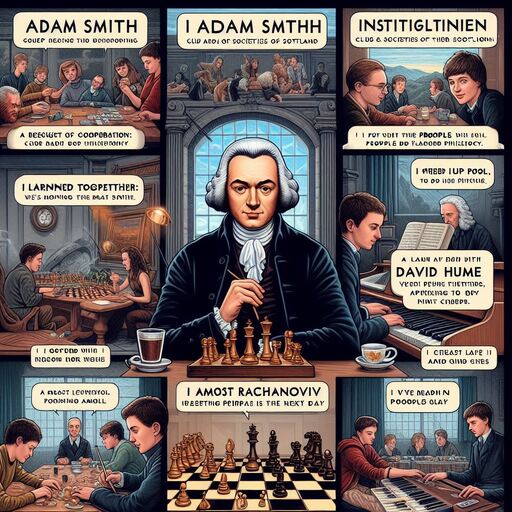
I learned: Adam Smith was a result of cooperation, clubs and societies of Scotland, and inviting people to do philosophy. We must work together

His meetup with David Hume is entertaining https://press.princeton.edu/books/hardcover/9780691177014/the-infidel-and-the-professor

Achievements: I finished a page of Adam Smith, I learned more pool, I sped up Rachmaninov, I reached an almost 2200 rating at Lichess, and lost it the next day.

Goals: Organizing Sunday night dinner time, Instituting better learning routines in the morning, having an exhausting 3 minute sport routine.

The Philosopher – April 5th 2024

The Philosopher reflected on his day: Today, amidst feelings of depression, friendship, and the complexities of social interactions, he was reminded of the value of time that gives a glimpse of light.

He realized that he cannot afford to waste precious moments. Although he made some effort, progress on his work about Adam Smith feels slow, especially on a holiday.

Yet, despite the challenges, he is determined to make the most of his time. Turning Time into Memory, and Memory into nothing again.

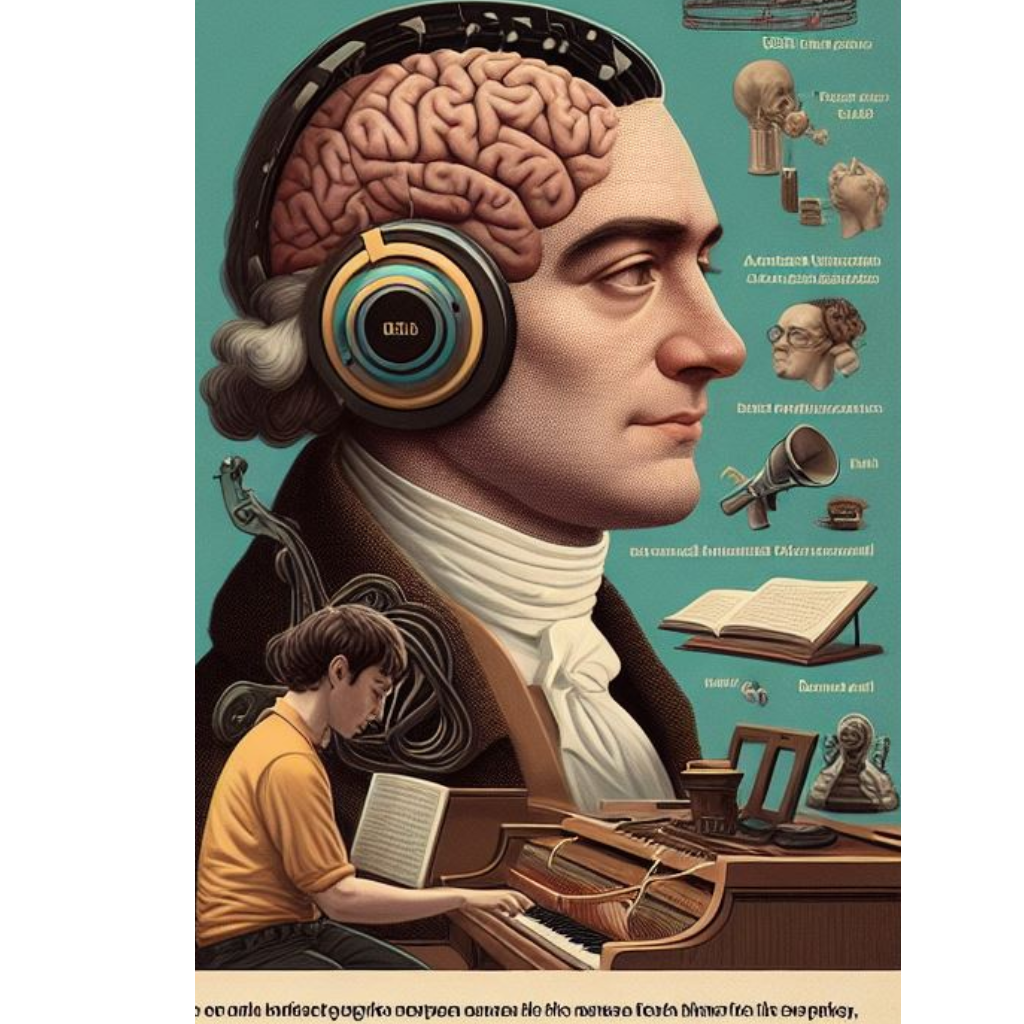
Adam Smith, Piano and brains- April 202

  • Adam Smith’s ideas resonate both on the right and left, like Plato used and abused, left and right.
  • “Adam Smith’s America: How a Scottish Philosopher Became an Icon of American Capitalism” is an interesting read seeing how Adam Smith was abused or used.
  • “Putnam’s Brains in a Vat” challenges externalist assumptions, hinting towards an internalist perspective
  • Today’s lesson: recording piano play enhances perception, revealing inner ear limitations. The outer ear hears you different.
  • Links
    https://www.goodreads.com/en/book/show/60015569.
    https://designer.microsoft.com/image-creator.

Living up to once Possibilities – Another Account of Relativism

Formal Part, an analysis of Baghramian, passage where she talks about the unconnected history of analytic philosphy and how it is providing a semantic notion of relativism.

Abstract: We live in

As humans, we have the reflective capabilities to distance ourselves from the community views. As I would like to express it, we can adopt a stance of being open for truth that has not arrived yet and may not arrive. In other words, we live in the possibility of truth. I regard this as a relativist stance and which I would also attribute to Hegel.

Practices are not necessarily arranged with regard to how things really are, but according to how we take things to be in an experiential, historical process.

It is important to remark that in this process nobody denies that reality has somewhat an influence on us. The difficulty lies in the question to explain what reality exactly is and how to qualify they extent it has on us.

Putnam’s Ideas

The idea that we are brains in a vat is an extreme thought scenario.

Relativism of Belief

Philosophy on its destructive side aims at destroying all our beliefs. A task for which many are not ready.

The theist believes in a God or Gods, the atheist believes that there is no God. The agnostic often believes that the answer is unknown and possibly unknowable. However, there may be a fourth possibility: it may be knowable but not yet known.

A relativist position works differently: instead of dismissing the question as unknowable and therefore unimportant, it can accept that the question itself is important and probably speaks to the deepest nature of us. The religious form of a human being is its openness for the question so that if he encounters truth one day he can accept it.

Problems–a further problem I have with relativism

If another person believes that embryos have already souls and I respect this as an individual position that is true according to their framework but at the same time I also support the person who champions abortions at all times and everywhere, I am not doing justice to the moral feelings of the first person

Baghramian does not say anything about the possibility of truth

We can neither say that embryos have a soul, nor that they do not. The intuition is that we should consider the possibility that would have the largest effect if it is true compared to the effect it has when it is not true.

A large part of the debate has focused on abortion rights, but little is said about the question of how to avoid unwanted pregnancy.